


Dental hygiene care plays a vital role in preventing oral diseases and maintaining long-term oral health. Performed by qualified dental professionals, these treatments remove dental plaque, tartar and other deposits that contribute to gum inflammation. Regular professional care helps protect both your teeth and their supporting tissues while promoting lasting oral hygiene and overall dental health.
Professional dental cleaning and preventive care are among the most important treatments for maintaining healthy teeth and gums. Tailored to each patient’s individual needs, they help prevent gingivitis, reduce the risk of developing periodontitis and support long-term oral health. These treatments are often complemented by personalised oral hygiene advice, helping patients improve their daily brushing and interdental cleaning techniques.
Our dental clinics provide personalised dental hygiene care, professional dental cleanings and preventive treatments tailored to every patient. Through an individualised, prevention-focused approach, our dental teams help you maintain healthy gums, prevent gum and periodontal disease, and preserve a healthy, confident smile for years to come.
Dental scaling and hygiene care
Red, irritated or swollen gums?
Consult our hygienists to prevent, scale and maintain healthy teeth.
Find a dental hygienistWhat’s the benefits ?
Why Should You Have a Professional Dental Cleaning?
Over time, dental plaque hardens into tartar, which gradually builds up on the teeth and along the gumline, even with thorough daily brushing. If left untreated, these deposits can contribute to gum inflammation, periodontal disease, persistent bad breath and, over time, damage the tissues that support your teeth.
A professional dental cleaning effectively removes tartar and dental plaque using specialised techniques performed by qualified dental professionals. It helps maintain healthy gums, prevent gum and periodontal disease, and support long-term oral health and good oral hygiene.
A professional dental cleaning is particularly recommended for people who want to:
- maintain healthy gums,
- prevent gingivitis and periodontal disease,
- remove tartar and stubborn deposits that cannot be eliminated through brushing alone,
- reduce bad breath caused by the buildup of dental plaque,
- keep their teeth clean and maintain a healthy, confident smile.
Discover our dental cleaning offers
For new patient
CHF 175 for new private adult patients (Dental Hygienist / Prophylaxis Assistant). For more information…

For existing patient
Up to CHF 199 for existing private adult patients (Dental Hygienist). For more information and…

FAQ – Dental scaling and hygiene care
Is a professional dental cleaning painful?
A professional dental cleaning is generally associated with little or no discomfort. In some cases, patients may experience mild sensitivity, particularly if they have inflamed gums, significant tartar buildup or exposed tooth roots. This sensitivity is usually temporary and subsides shortly after the treatment.
For patients who experience significant dental anxiety, treatment with nitrous oxide (laughing gas) may be considered in certain situations. This technique helps promote relaxation and makes the dental cleaning more comfortable while allowing patients to remain fully conscious and communicate with the dental team throughout the procedure. The suitability of this option is assessed individually by the dental professional.
What is the difference between a prophylaxis assistant and a dental hygienist?
Professional dental cleanings and other preventive oral care treatments may be performed by either a prophylaxis assistant or a licensed dental hygienist, depending on your individual needs. Both professionals play an essential role in preventing tooth decay, gum disease and periodontal disease, although their qualifications and scope of practice differ.
A prophylaxis assistant primarily provides preventive treatments such as supragingival dental cleaning, the removal of dental plaque and superficial tartar, and personalised oral hygiene advice. Depending on their training, they may also perform cosmetic procedures such as teeth whitening. They work under the supervision of a dentist.
A dental hygienist is qualified to manage more complex oral health conditions. Their responsibilities include the treatment of gingivitis and periodontitis, subgingival scaling and root debridement, periodontal pocket care, as well as additional diagnostic and therapeutic procedures. They may take dental X-rays, administer local anaesthesia when appropriate and develop an individual treatment plan in collaboration with the dentist.
During a clinical examination, the dental professional evaluates your oral health and recommends the practitioner best suited to your individual needs, ensuring you receive personalised care.
How often should you have a professional dental cleaning?
The recommended frequency of professional dental cleanings depends on your oral health and your individual risk of developing gum disease. For most patients, a dental cleaning every six to twelve months is recommended. People with periodontitis, orthodontic appliances, smoking habits or certain chronic medical conditions may require more frequent maintenance visits, sometimes every three to four months.
What is the difference between dental plaque and tartar?
Dental plaque is a bacterial biofilm that naturally forms on the teeth every day. If it is not removed through effective toothbrushing and interdental cleaning, it gradually hardens into tartar. Unlike plaque, tartar cannot be removed with a toothbrush and requires professional dental cleaning performed by a dental professional.
Does bleeding gums mean you need a professional dental cleaning?
Bleeding gums during toothbrushing should never be ignored. They are often a sign of gum inflammation caused by the accumulation of dental plaque and tartar. An early clinical examination allows the dental professional to identify the cause and determine whether a professional dental cleaning or periodontal treatment is required.
How can I tell if I have gingivitis or periodontitis?
Gingivitis is commonly characterised by red, swollen or easily bleeding gums. If left untreated, it can progress to periodontitis, a more advanced form of gum disease that may lead to gum recession, persistent bad breath, loose teeth and progressive bone loss. A reliable diagnosis can only be made through a clinical examination by a dental professional. The earlier gum disease is detected, the greater the chances of maintaining healthy teeth and gums over the long term.
How to keep your teeth healthy at home?
Toothbrush
Use an electric or sonic toothbrush

Interdental spaces
Clean your interdental spaces with brushes, dental floss or toothpicks

Toothpaste
Choose fluoride products. They protect your teeth against acid attacks

A bright, radiant smile starts with good oral health. That is why a professional dental cleaning is an essential first step before any teeth whitening treatment. By removing tartar, dental plaque and surface stains, it thoroughly cleans the mouth, restores the natural appearance of your teeth and provides the ideal foundation for achieving the best possible aesthetic results.
In addition to its preventive benefits, a professional dental cleaning allows your dental professional to carefully assess the health of your teeth and gums. This clinical examination is essential to ensure there are no contraindications, such as tooth decay, gum inflammation or periodontal disease, that could affect the safety or effectiveness of a teeth whitening treatment.
Once your oral health has been evaluated and your professional dental cleaning has been completed, professional teeth whitening can be performed safely. When carried out on clean teeth and healthy gums, the treatment delivers more even, predictable and personalised results. Your dental professional will recommend the whitening technique best suited to your needs, helping you achieve a brighter, more confident smile while preserving your long-term oral health.
Children
Teach your children the right gestures
The best way to teach your child to take care of his teeth is by example! Brush your teeth together and show her how to hold her toothbrush. Explain why it’s important to brush your teeth and explain the movements involved.
The right moves.
Position
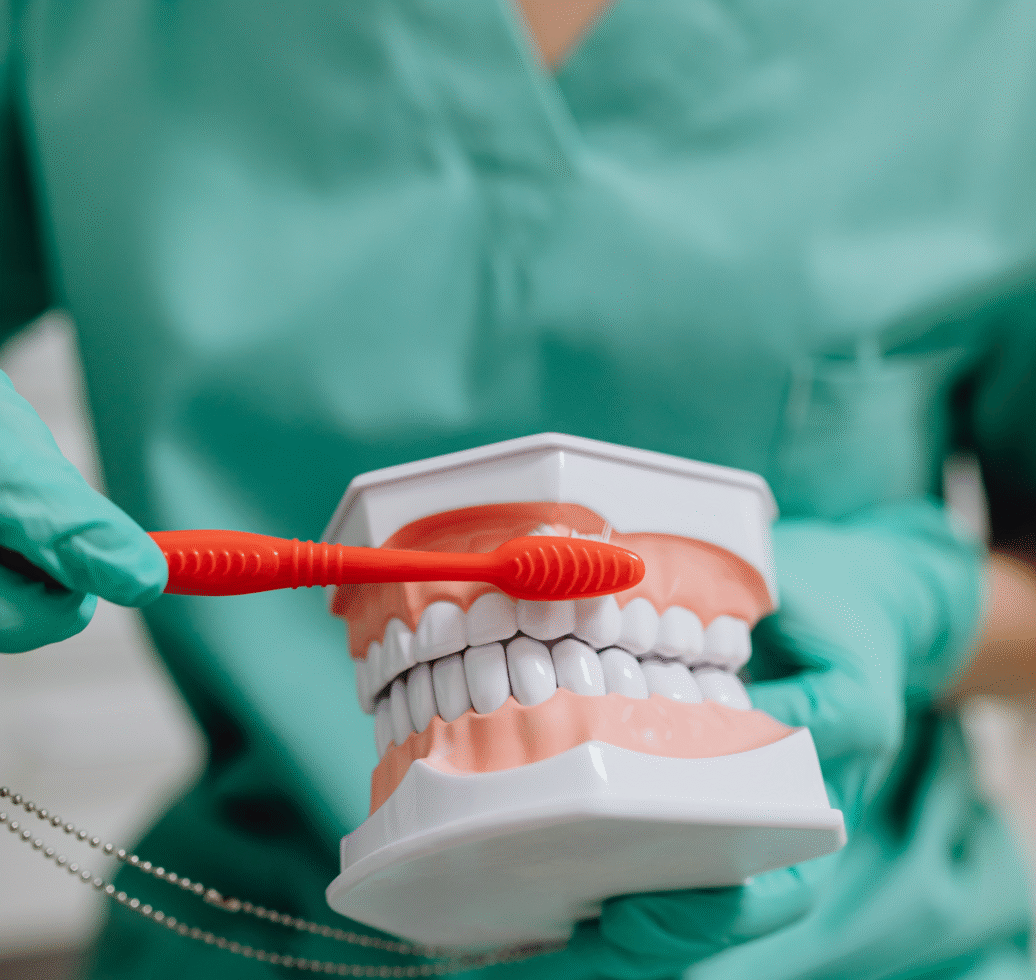
Hold the toothbrush at a 45-degree angle to the gumline.

Movements
Use gentle circular motions or a rolling motion from the gum to the tooth.
Last step
When the child has finished, the parent brushes for a complete cleaning.

Hygienist appointments are an important part of keeping your child’s teeth healthy. It will standardize this type of visit. The hygienist will also reassure you about your child’s oral health.
Taking care of your child’s teeth is important, as good dental health has a positive impact on overall health. With healthy teeth, your child can chew and eat all the foods he needs for his development. Good dentition is also essential for language development.
So it’s a good idea to get your baby used to brushing as soon as his first teeth appear. This way, brushing will become part of his routine. This habit allows the first teeth to form in a clean environment. At Adent, dental hygienists are trained to care for the very young. They teach parents and children good cleaning habits.
Teenagers
Oral hygiene for teenagers
Adolescence has an impact on young people’s oral health. Hormonal changes and new eating habits upset the teenager’s equilibrium. They need to be made aware of the risks of regular sugar consumption and irregular brushing. The effect of tobacco consumption on mucous membranes also needs to be addressed.
But how do you know if your teenager has good oral hygiene? You can easily identify it by observing whether your teen :
- has pink gums
- no swollen gums
- does not bleed when brushing teeth
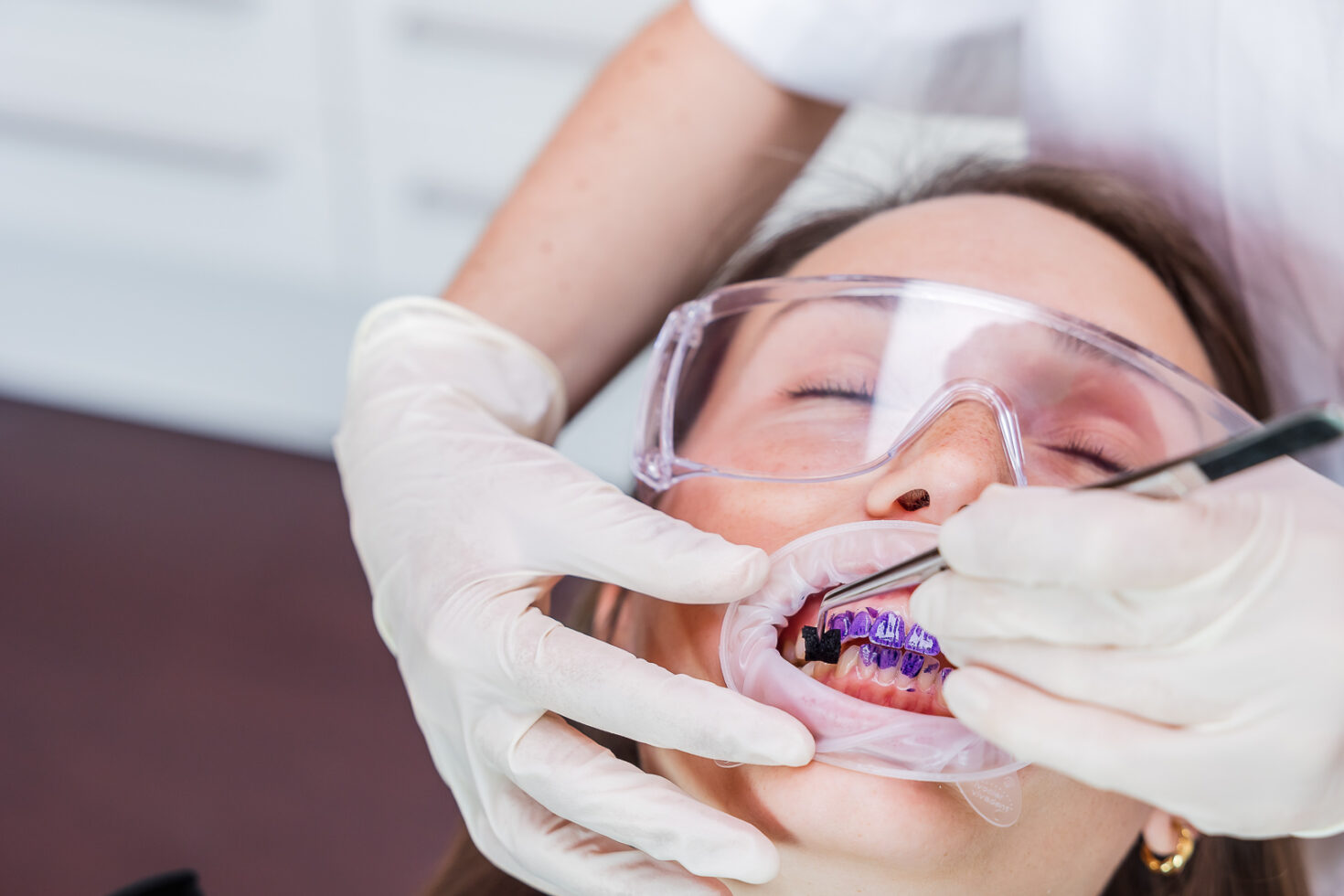
If your teenager’s gums are red, inflamed and bleeding when he or she brushes, it’s time to take him or her to the dental hygienist. But don’t panic, this gum condition can easily be improved by regular brushing and the use of a soft-bristled toothbrush. Fluoride toothpaste and an appropriate brushing technique are recommended. Our dental hygienists can advise you and guide your teenager.
Make sure your teenager also washes his or her tongue. Cracks trap dead cells and food residues. This accumulation of deposits can cause bad breath.
The biggest challenge at this age is probably to eat a balanced diet! Sugar and lack of tooth brushing encourage acid production. Acid attacks teeth, creating cavities. Ideally, you should limit the consumption of sugary foods and drinks. If brushing is not possible, try chewing Sympadent® gum! These products are free from caries-inducing sugar.
As you can see, it’s important to visit the hygienist at least once a year, given the turbulent times your teenager may be going through. Applying this advice can be a daunting task for teenagers. Professional cleaning and care are highly recommended. They maintain top oral health.
Adults
Healthy oral hygiene for a radiant smile!
Oral diseases can affect your life at every level: your personal relationships, your professional life, your self-confidence or even your enjoyment of food. It can isolate you socially, because you’re ashamed of your teeth and avoid laughing and smiling. You don’t talk much to others because you suffer from bad breath.
Dental hygiene consists of a series of mechanical practices designed to remove plaque. Plaque forms naturally and permanently on the surface of your teeth. Regular removal of plaque prevents the growth of bacteria responsible for gum inflammation and bad breath. If left unchecked, gum inflammation can lead to periodontitis. Periodontitis is the loosening of teeth. This disease destroys the tissues that support the teeth. It leads to mobility and, in extreme cases, tooth loss.
Plaque can only be effectively removed by daily mechanical hygiene. The tartar that forms on the surface of your teeth is mineralized and calcified plaque. Hard and clinging to your teeth, it can no longer be removed simply by brushing. We advise you to consult a dental hygienist. He/she will perform a professional scaling and advise you on the best way to clean your teeth.
If you would like to have your teeth scaled, or would like more information, please contact your nearest dental clinic. Our dental hygienists are available Monday to Saturday at all Adent clinics.